Choosing and Maintaining Electrical Testing Equipment
Electrical testing equipment plays an important role in professional electrical work, allowing electricians to assess the condition, safety and performance of electrical installations.
From multifunction testers and multimeters to insulation resistance and RCD testing equipment, different instruments are designed to perform different measurements. Choosing the appropriate equipment, maintaining it correctly and understanding how to interpret the results are all essential parts of professional electrical testing.
At TTP Electrical, our NICEIC-approved electricians provide professional electrical testing and inspections across London and Essex using appropriate equipment and testing procedures for the installation being assessed.
Why Is the Right Electrical Testing Equipment Important?
Electrical testing involves taking measurements that help electricians understand what is happening within an electrical installation.
Using appropriate testing equipment can help identify faults, deterioration and potential safety concerns that may not be visible during a visual inspection alone.
Professional testing equipment may be used to assess:
- Electrical voltage.
- Continuity of conductors.
- Insulation resistance.
- Earth fault loop impedance.
- Operation of RCDs and protective devices.
- Other characteristics of an electrical installation.
Choosing the Right Electrical Testing Equipment
There is no single instrument suitable for every electrical test. The equipment required depends on the installation, the electrical characteristics being assessed and the type of inspection being completed.
Professional electricians must select equipment that is appropriate for both the test and the electrical environment in which it will be used.
Factors that may influence the choice of testing equipment include:
- The type of electrical installation.
- The measurements required.
- The expected voltage and electrical characteristics.
- The type of inspection or testing being completed.
- The accuracy and capabilities required from the instrument.
- The environment in which testing will take place.
Multifunction Electrical Testers
Multifunction testers combine several testing functions within a single instrument and are commonly used when inspecting fixed electrical installations.
Depending on the tester, these instruments can perform continuity, insulation resistance, loop impedance and RCD testing alongside other measurements.
This makes multifunction testers particularly useful during comprehensive inspections such as Electrical Installation Condition Reports (EICRs).
Digital Multimeters
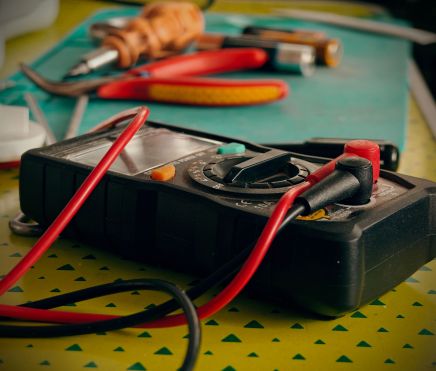
Digital multimeters are widely used for electrical fault finding and diagnostic work.
Depending on the instrument and application, a multimeter can measure electrical values including voltage, current and resistance.
Although commonly used, the equipment must still be appropriate for the electrical environment and used by someone who understands both the instrument and the risks involved.
Insulation Resistance Testing Equipment
The insulation surrounding electrical conductors helps prevent unintended current flow and protects against electrical hazards.
Insulation resistance testing equipment allows electricians to assess the condition of this insulation and identify potential deterioration or damage.
Problems with electrical insulation can develop due to age, heat, moisture, physical damage and other environmental conditions.
RCD Testing Equipment
Residual Current Devices (RCDs) are designed to provide additional protection by disconnecting the electrical supply under certain fault conditions.
Specialist testing equipment allows electricians to assess how an RCD responds under controlled test conditions.
This provides important information about the operation of protective devices within an electrical installation.
PAT Testing Equipment
Portable Appliance Testing (PAT) focuses on assessing the safety of electrical appliances and equipment.
Depending on the type of appliance and testing required, dedicated PAT testing equipment can be used alongside a visual inspection to identify potential electrical safety concerns.
PAT testing is commonly carried out for businesses, landlords, schools and organisations responsible for electrical equipment used by employees, tenants, students or visitors.
The Importance of Electrical Test Equipment Calibration
Electrical testing relies on dependable measurements. If testing equipment is not performing accurately, the results could affect how an electrical installation is assessed.
Calibration provides a way of checking the performance of test instruments against appropriate reference standards.
Electrical contractors should manage their testing equipment in accordance with relevant professional procedures, manufacturer guidance and the requirements applicable to the work being carried out.
Maintaining Electrical Testing Equipment
Professional electrical testing equipment needs to be properly maintained to remain safe and dependable.
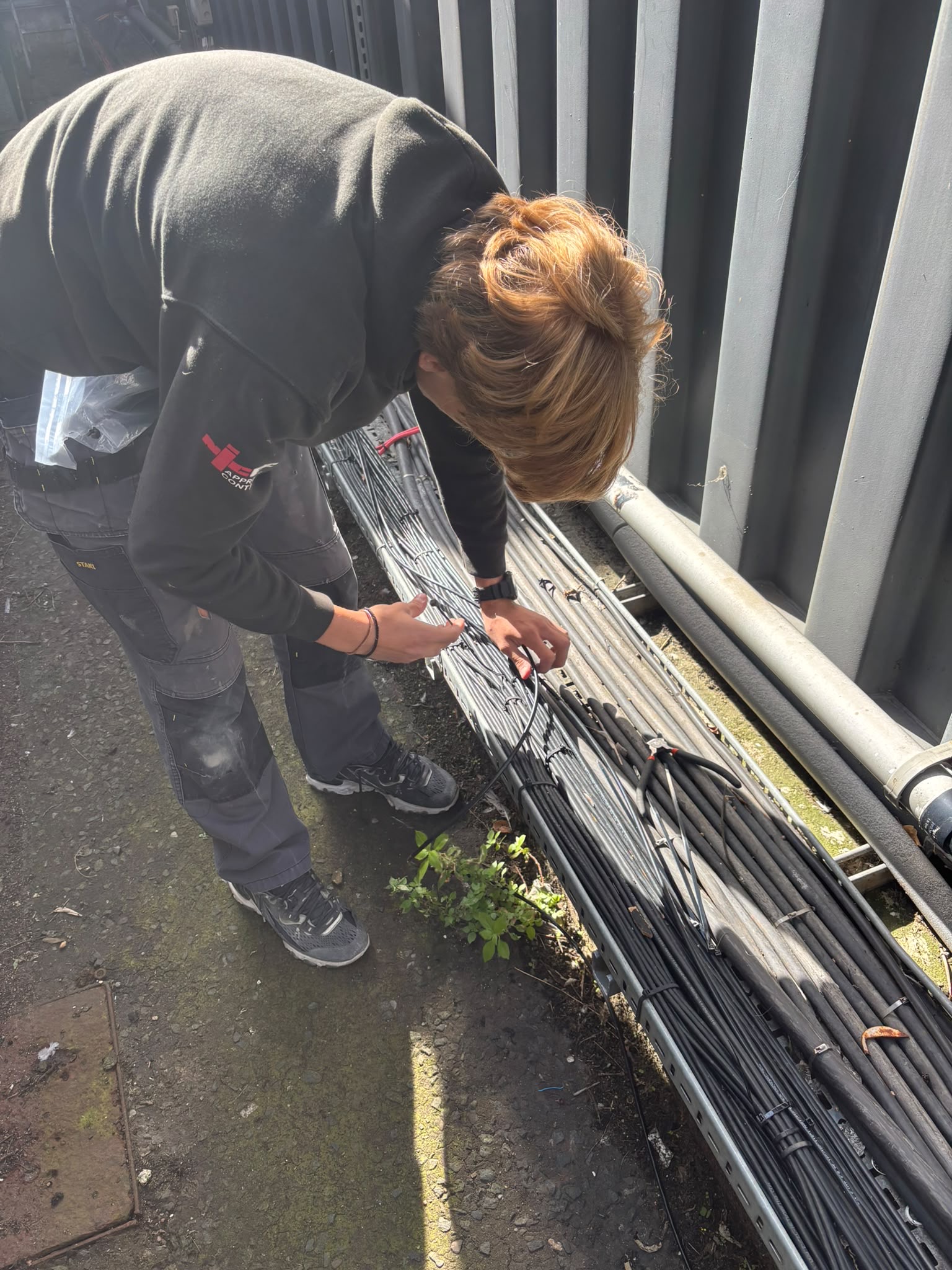
Before use, equipment, probes and test leads should be checked for obvious signs of damage or deterioration. Instruments should also be stored appropriately and protected from conditions that could affect their performance.
Good equipment management can include:
- Regular visual checks of test instruments.
- Inspecting probes and leads for damage.
- Keeping equipment clean and properly stored.
- Following manufacturer maintenance requirements.
- Carrying out appropriate calibration and accuracy checks.
- Removing damaged or unsuitable equipment from use.
Why Training and Competence Matter
Owning professional electrical testing equipment does not automatically make someone competent to carry out electrical testing.
The person completing the test needs to understand the electrical installation, know which tests are appropriate, use the equipment safely and correctly interpret the results.
This is particularly important when testing fixed electrical installations where incorrect procedures can expose someone to potentially dangerous electrical hazards.
Electrical Testing and Preventative Maintenance
Electrical testing can form an important part of a preventative maintenance programme.
Regular inspections provide an opportunity to identify deterioration and developing faults before they result in unexpected electrical failures.
For businesses, schools, landlords and organisations managing multiple properties, combining testing with planned electrical maintenance can provide a more proactive approach to managing electrical systems.
Using Electrical Testing to Identify Faults
Electrical problems are not always visible. A socket, circuit or piece of equipment may appear normal while an underlying fault is developing.
Appropriate electrical testing can help electricians investigate problems such as:
- Frequently tripping circuits.
- Intermittent electrical faults.
- Loss of power to circuits or equipment.
- Problems with electrical continuity.
- Insulation deterioration.
- Issues with protective devices.
Once the source of the problem has been identified, the electrician can recommend the appropriate repairs or remedial works.
Electrical Testing and EICRs
An Electrical Installation Condition Report (EICR) combines professional inspection with appropriate electrical testing to assess the condition of an existing electrical installation.
Specialist testing equipment is used to obtain measurements from different parts of the installation. These results, together with the visual inspection, help the electrician identify defects, deterioration and potential safety concerns.
The findings are then documented within the report, with any observations requiring attention clearly recorded.
Electrical Testing and Compliance
Electrical testing can form an important part of maintaining safe electrical installations and meeting applicable electrical safety responsibilities.
In the UK, electrical installation work and testing may be carried out with reference to requirements including BS 7671, commonly known as the IET Wiring Regulations.
The exact testing requirements will depend on the type of installation, property and work being completed.
Why Professional Electrical Testing Matters
Professional electrical testing combines appropriate equipment with the knowledge and experience required to use it correctly.
Qualified electricians understand which tests need to be carried out, how to complete them safely and how the results should be interpreted.
This allows electrical faults and potential safety concerns to be properly investigated rather than relying on assumptions or basic DIY testing equipment.
Professional Electrical Testing Across London and Essex
TTP Electrical provides professional electrical testing and inspection services for homeowners, landlords, businesses, housing associations, councils, property management companies, schools and colleges across London and Essex.
Our NICEIC-approved electricians provide EICRs, PAT testing, emergency lighting testing, electrical fault finding, remedial works and ongoing electrical maintenance.
Whether you need a routine electrical inspection or help diagnosing a recurring electrical fault, our team can provide professional testing and clear advice on the next steps.
Speak to Our Team Today
Need professional electrical testing? Speak to TTP Electrical today to arrange electrical testing, inspections or fault finding across London and Essex.